U.S.–Taiwan Pact Reduces Agricultural Trade Barriers, Signaling Deeper Strategic Food Alliance
AGRICULTURE
Dawndy Commodities Newsroom
2/14/20262 min read
Dawndy Commodities Newsroom
February 13, 2026
The United States and Taiwan have signed a new agreement aimed at easing regulatory and procedural barriers in agricultural and food trade, marking another step in strengthening bilateral economic and food-security ties.
The deal is designed to streamline market access, enhance regulatory transparency, and reduce friction in key farm and processed food categories — reinforcing Taiwan’s role as a strategic buyer of U.S. agricultural exports.
What the Agreement Targets
According to industry and trade sources, the pact focuses on:
Simplifying sanitary and phytosanitary (SPS) procedures
Reducing inspection bottlenecks
Improving approval timelines for food and agricultural products
Expanding cooperation on regulatory standards
The agreement builds on Taiwan’s existing role as a major importer of U.S. soybeans, corn, wheat, beef, and processed foods.
Why This Matters for Markets
1. Stable Demand Anchor for U.S. Agriculture
Taiwan remains a consistent and high-value buyer of U.S. grain and protein. Reduced trade friction strengthens export reliability, particularly for:
Corn and soybeans (feed demand)
Wheat (food processing)
Beef and pork (protein markets)
2. Strategic Diversification Away from Mainland China
Taiwan’s food import strategy has increasingly emphasized diversification and supply security. Closer alignment with U.S. exporters reduces geopolitical risk exposure in critical food categories.
3. Premium Market Access
Taiwan is a high-income, quality-focused import market. Faster regulatory approvals and fewer technical barriers enhance value-added export opportunities for U.S. producers.
Cross-Market Implications
Feed Grains: Improved access may reinforce demand stability amid volatile global corn and soybean markets.
Protein Markets: Streamlined approvals could support U.S. beef and pork exports, affecting global protein trade flows.
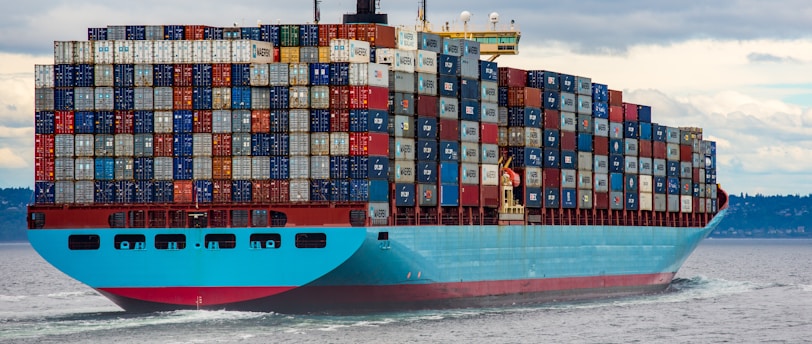
Freight & Logistics: More predictable trade volumes strengthen Pacific shipping corridors.
What to Watch Next
Implementation timelines for regulatory adjustments.
Volume commitments or follow-up purchase agreements.
Reaction from competing agricultural exporters in the Asia-Pacific region.
Strategic Overlay
Missed Signal:
Markets often view bilateral agricultural deals as symbolic. In reality, incremental regulatory easing can significantly alter trade flows in tight supply environments.
Execution Risk:
Full benefits depend on regulatory harmonization and consistent enforcement across agencies.
Bottom Line
The U.S.–Taiwan agricultural trade agreement is more than administrative reform, it strengthens a strategic food-security partnership and reinforces Taiwan as a reliable, high-value destination for U.S. farm exports.
Stay ahead of global commodity shifts, subscribe for expert analysis, actionable insights, and forward-looking market intelligence.
SUSTAINABILITY
Trust
Impact
© 2025. All rights reserved.