
Shea Nut Prices in West Africa: An Analysis of Trends Amid Export Challenges
SHEA BUTTER
12/12/20251 min read
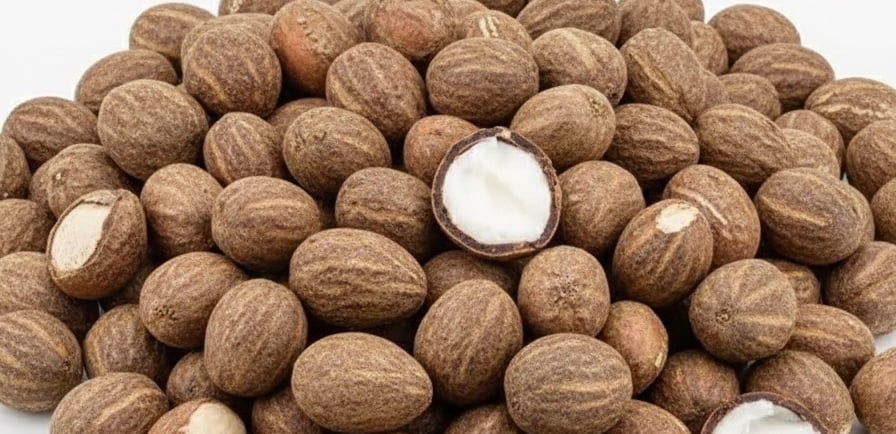
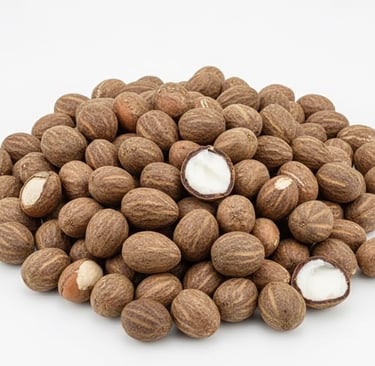
Understanding the Current Landscape of Shea Nut Prices
The pricing of West African shea nut has remained resilient in the face of various export restrictions and increasing demand pressures. This stability is noteworthy, considering the fluctuating economic conditions that typically impact agricultural commodities. As we delve into the diverse factors influencing the market, it becomes evident that regional variations play a crucial role in the pricing dynamics of this valuable natural resource.
Regional Variations in Shea Nut Pricing
Across West Africa, local prices of shea nuts differ significantly, influenced by several factors including geographical location, accessibility to markets, and the adaptability of traders to emerging policies. In regions with better infrastructure and access to international markets, prices tend to be higher, reflecting the premium that buyers are willing to pay for consistent quality and supply. Conversely, in more remote areas, traders may have to contend with lower prices due to increased transportation costs and limited market reach.
The Impact of Export Restrictions and Demand
Recent export restrictions imposed in some West African nations have created a complex market scenario. While these regulations aim to stabilize local economies and ensure fair trade practices, they can lead to temporary supply shortages that impact prices. As demand for shea nuts continues to grow internationally, particularly in the cosmetic and food industries, traders must navigate these challenges, often leading to price adjustments based on current supply and demand dynamics. The ability to adapt and respond to policy shifts becomes imperative as businesses strive to maintain a competitive edge.
In conclusion, the landscapes of shea nut prices in West Africa are shaped by a multitude of factors including regional dynamics, export policies, and shifting global demand. As local traders continue to find ways to adapt to changing conditions, keeping a close eye on these developments will be essential for anyone looking to engage with the shea nut market. Understanding the interplay between these elements not only aids in forecasting price trends but also supports sustainable practices in this vital economic sector.
Follow us for more:
Linkedin : @dawndycommodities
Facebook : @dawndycommodities
TikTok : @dawndycommodities
Instagram : @dawndycommodities
Youtube: @dawndycommodities
X : @dawndycommodities
SUSTAINABILITY
Trust
Impact
© 2025. All rights reserved.