
Global Palm Oil Powerhouses: Top 10 Producers Shaping Food, Feed, and Energy Markets
PALM OIL
Dawndy Commodities Newsroom
2/17/20262 min read
Dawndy Commodities Newsroom
Feb 17, 2026
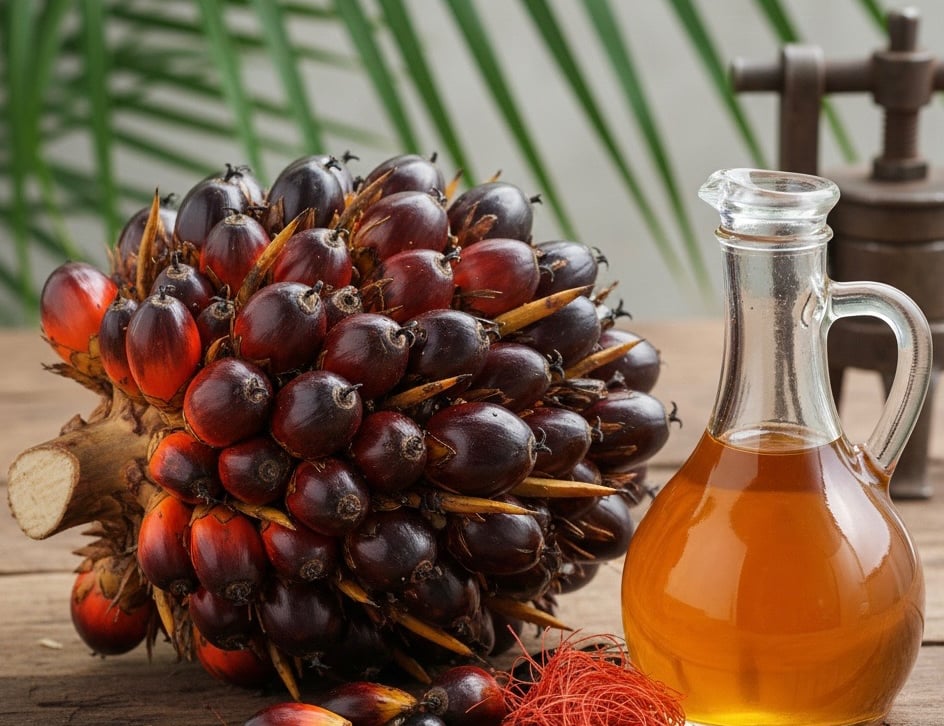
Palm oil sits at the nexus of global food, feed, and biofuel supply chains, making it one of the most strategically significant vegetable oils. Production is highly concentrated, creating structural risks that influence commodity pricing, inflation, and trade flows worldwide.
Below are the Top 10 Palm Oil Producing Countries in the World, reflecting output and export influence.
Top 10 Global Palm Oil Producers
Indonesia
The world’s largest producer and exporter, controlling roughly 55% of global supply, with production sensitive to weather and labor constraints.Malaysia
The second-largest exporter, benefiting from advanced plantation management and processing efficiency.Thailand
A key regional player, focused on domestic consumption and limited exports.Colombia
Rapidly expanding production for both food and biofuel applications.Nigeria
Africa’s leading producer, but largely serving domestic markets.Papua New Guinea
Small-scale but growing export contributor.Ghana
Focused on domestic supply and regional trade.Costa Rica
Specialized production with emphasis on sustainable and certified palm oil.Ecuador
Moderate production with export potential to Latin American markets.Cameroon
Emerging production hub for African regional markets.
Why This Matters for Markets
Supply Concentration: Indonesia and Malaysia dominate production and export flows, meaning weather events or labor disruptions there have outsized global impact.
Input Costs: Fertilizer, labor, and energy costs directly influence output and margins, affecting downstream edible oils and biofuel markets.
Trade & Policy Risk: Export quotas, sustainability regulations, and tariffs in top producing countries influence global pricing and availability.
Inflation Transmission: Palm oil is a key input in processed foods, cooking oils, and biodiesel—price moves are passed quickly to consumers.
Palm oil’s structural concentration makes it a leading indicator for edible oil inflation, while weather, labor, and energy costs determine near-term volatility.
Forward-Looking Considerations
Weather Monitoring: Dry season forecasts in Sumatra and Borneo are critical for production projections.
Policy Signals: Watch Indonesian and Malaysian export restrictions or sustainability certification changes—they can tighten global supply rapidly.
Cross-Market Signal
Energy: Palm oil is a key biofuel feedstock, linking its price to crude oil and diesel markets.
Inflation: Rising palm oil prices transmit into food CPI, especially in emerging economies.
Feed & Substitutes: Palm oil pricing influences soybean oil, canola, and other vegetable oils.
Strategic Overlay
Missed Opportunities — Where the Market Is Complacent:
Overreliance on aggregated production numbers ignores export concentration, weather stress, and sustainability-related supply disruptions.
Strategic Implications — If Executed Well:
Food Inflation: Palm oil volatility directly impacts global edible oil markets and packaged foods.
Procurement Strategy: Buyers should hedge supply, monitor export policies, and diversify sourcing.
Portfolio Exposure: Palm oil offers asymmetric upside risk during weather or policy disruptions in Indonesia and Malaysia.
Bottom Line:
Palm oil is more than a vegetable oil, it is a strategically concentrated, climate- and policy-sensitive commodity with direct implications for food, feed, and energy markets.
Stay ahead of global commodity flows, subscribe for expert analysis, actionable insights, and forward-looking market intelligence.
SUSTAINABILITY
Trust
Impact
© 2025. All rights reserved.