
Gatekeepers of Resources: China’s African Port Strategy Secures More Than Trade Routes; It Secures Future Leverage
Dawndy Commodities Newsroom
1/30/20262 min read
Market Snapshot
Key Commodities:
Corn: $545/bu → Stable, but shipping route shifts could raise premiums for West Africa origin
Wheat: $745/bu → Slightly firmer on port congestion risk in East African corridors
Soybeans: $1,475/bu → Neutral; US South America flows unaffected but containerized Africa trade more centralized
Cocoa: $2,650/t → Rising; port access critical for West African exporters
Palm Oil: $1,020/t → Neutral; reliance on Indian Ocean logistics may tighten amid Chinese infrastructure influence
Trend Diagnosis:
Port-centric influence from Chinese investments is quietly reshaping commodity flow economics, concentrating logistical power at key African chokepoints.
3 Market-Moving Developments:
Weather: Seasonal rains in East Africa could disrupt inland feeder transport, amplifying dependency on port efficiency.
Crop Conditions: Cocoa and palm output in West Africa remains robust, but export bottlenecks risk margin compression.
Input Costs: Shipping freight rates and insurance premiums are rising slightly on high-demand corridors with Chinese operational dominance.
Sources: USDA, IHS Markit Shipping Reports, UNCTAD Logistics Index
The Why
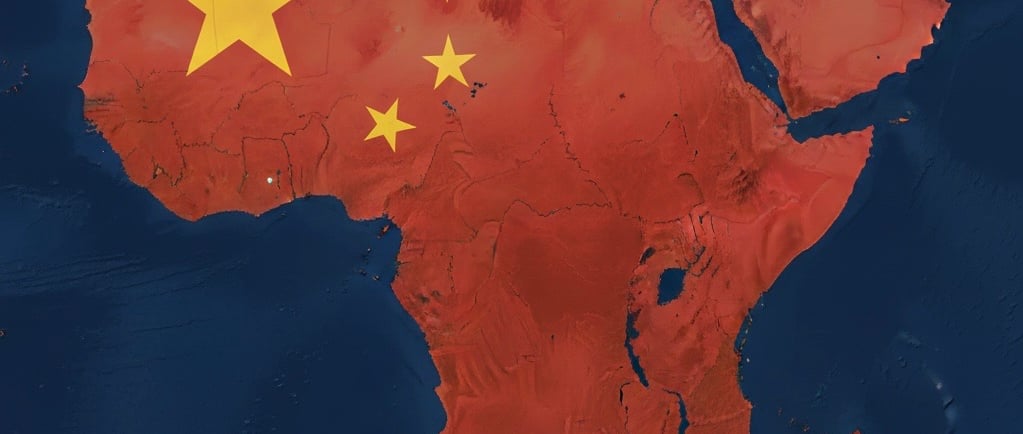
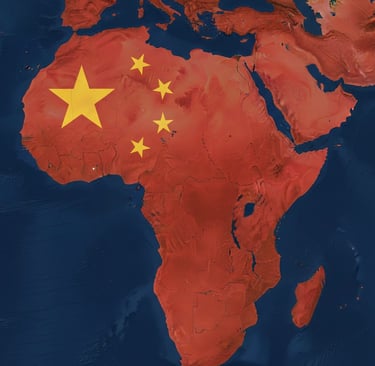
China’s African port strategy is no longer just a trade facilitation exercise — it is a long-term leverage play. Control over key nodes along Atlantic and Indian Ocean corridors allows for preferential routing of energy, agricultural bulk flows, and containerized industrial goods. For agribusiness, this translates into new cost vectors: shipping premiums on certain corridors, potential delays for non-Chinese operators, and strategic concentration of export control.
In parallel, the operational integration of ports with local industrial zones and customs regimes reduces friction for Chinese-backed supply chains while creating structural exposure for Western traders and multinational commodity buyers. Fertilizer, diesel, and agricultural machinery imports through these ports could increasingly face congestion or higher handling costs if geopolitical tensions rise.
What the Market Is Missing
Many commodity players are underestimating the supply-chain arbitrage risk embedded in port control. China’s model could:
Shift bulk freight economics, favoring certain origin-destination pairs and leaving others at structural disadvantage.
Concentrate compliance and counterparty risk, as non-aligned exporters may face delays, extra documentation, or port surcharges.
Embed leverage in future resource access, where port dependency translates into bargaining power over energy, grains, and fertilizers.
Forward Outlook (Next 5–7 Days)
Weather Models: Monitor East African rainfall forecasts; inland feeder road delays could temporarily boost freight rates into Chinese-managed ports.
Export Flows: Track containerized grain and cocoa shipments from West Africa; selective congestion may offer trading opportunities in alternative corridors (Ghana → Europe via Morocco or South Africa → Asia via Durban).
Cross-Market Signal
Energy: Port access concentration may affect crude and refined product flows, particularly for African oil exporters supplying Asian refineries.
Inflation: Bottlenecked agricultural exports could transmit to local and regional food price inflation.
Emerging Market Demand: Countries dependent on non-Chinese port channels may face higher landed costs, influencing FX and procurement strategies.
Strategic Overlay
Missed Opportunities:
Traders and portfolio managers remain complacent about African port control as a systemic risk factor. Early positioning on alternate routes or diversified logistics contracts could hedge both cost and delivery risk.
Strategic Implications:
Food Inflation: Bottlenecked exports may amplify short-term regional food price spikes.
Procurement Strategy: Forward contracting and route diversification become critical for West African grains, cocoa, and palm oil.
Portfolio Exposure: Equity or credit positions in African ports, shipping, and logistics are increasingly intertwined with Chinese operational influence.
Bottom Line:
China’s African port expansion is a supply-chain lever, not just a trade route. For those managing systemic agricultural risk, the key is not just tracking crop yields, but mapping who controls the exit points and pricing in the new dynamics of freight, access, and leverage.
SUSTAINABILITY
Trust
Impact
© 2025. All rights reserved.